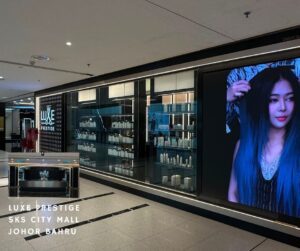

If you wear the hijab and colour your hair, you have probably asked yourself the same question at some point: will the colour stop water reaching my hair when I take wudhu? It is a fair thing to wonder about, and for a long time the honest answer involved a fair bit of guesswork. In 2026, more Muslim women are asking about water-permeable colour, and more salons are learning how to explain it properly. Here is a plain-English guide to how it works, what to ask, and how to book with confidence at a muslimah hair salon in Johor Bahru that understands what you need.
What “Water-Permeable” Really Means
Conventional hair colour works by gently lifting the outer layer of the hair, known as the cuticle, so that pigment can settle inside the strand. When it is done well, the colour lives within the hair rather than sitting on top of it. The concern comes from products or finishes that leave a film on the surface, because a film can get in the way of water.
Water-permeable colour is the term used for formulas and techniques designed to let water pass through to the hair and scalp. It is not one magic ingredient, and brands use the phrase in slightly different ways, so always ask your stylist what is going into the bowl and how it will be applied. A good colourist will never mind being asked.
How “Wudhu-Friendly” Colour Works in Practice
A thoughtful stylist treats this as a whole process rather than a single product choice. Here is what to look for:
- Pigment inside the hair: The aim is colour that deposits within the strand, with nothing sealed over the top.
- Careful finishing products: Heavy waxes, thick silicone serums and sealing sprays are best kept away if prayer comes first.
- Thorough rinsing: Every trace of product is rinsed out, so nothing lingers on the hair or scalp.
- Strand testing: A small test before the full service shows exactly how your hair takes the colour.
One honest note: whether a particular colour meets the requirements for wudhu is a matter of personal religious understanding. If you are unsure, speak to a scholar or ustazah you trust, then bring that guidance to your appointment so your stylist can work around it.
Which Shades Suit This Approach?
Softer shifts tend to be the easiest place to start. Think chocolate brown, deep burgundy, warm caramel or subtle dimension around the face. Dramatic changes, such as going from black to pale blonde, usually involve lightening first, which is a bigger process and needs a proper consultation. A good stylist will tell you what is realistic for your hair rather than promise the moon, and will happily plan the change over a few visits if that protects your hair’s condition.
Questions to Ask Before You Sit in the Chair
A short conversation up front saves a lot of worry later. Consider asking:
- What products will you use? Ask for the brand and the type of colour, not just a reassuring yes.
- Is any sealing treatment involved? Glosses, glazes and finishing treatments vary, so check each step of the service.
- Can you talk me through the process? A transparent stylist will happily explain what is being applied and why.
- How will it behave on my hair type? Dark, previously coloured or chemically treated hair may need extra planning and a little more time.
Write your questions down if that helps. Appointments can feel rushed, and it is easy to forget the one thing you meant to ask.
Looking After Your Colour Between Visits
Wudhu-friendly does not mean maintenance-free. Colour fades faster with hot water and harsh shampoo, and covered hair can get warm and sweaty under a tudung, which does it no favours. A few small habits make a real difference:
- Go gentle with washing: Lukewarm water and a colour-safe shampoo keep pigment where it belongs.
- Let your scalp breathe: Choose breathable innerwear caps and loosen your tudung when you can.
- Book a toner top-up: A light refresh every few weeks keeps the shade looking lively without redoing everything.
Be patient with the first week, too. Fresh colour can look a touch brighter than it eventually settles, and most people love it more once it softens.
It also helps to plan around big dates. Book your colour a week or so before a wedding or Hari Raya, so there is time to adjust the tone if you want a slight tweak, and your hair has settled into a natural, lived-in finish by the day itself. Rushing colour the day before an event rarely ends well.
Privacy, Comfort and Booking Well
For many women, the colour is only half of the decision. Comfort matters just as much. Before you book, confirm whether a private room is available and whether a female stylist can look after you from start to finish. Luxe Studio has several branches across Johor Bahru, so ask which one suits your schedule and preferences, and mention your wudhu requirements when you message us.
Choosing a muslimah hair salon in Johor Bahru is really about feeling relaxed enough to enjoy the result. Bring a few reference photos, be open about your hair history, and do not be shy about asking for a patch test first. The more your stylist knows, the better the outcome.
A Calmer Way to Colour
Colouring your hair should feel exciting, not stressful. With a little knowledge and the right questions, water-permeable colour can fit comfortably into your routine and your faith. Take your time, ask plenty of questions, and choose a team that listens. If you would like to talk it through, send our team a message and we will happily guide you.