
When it comes to restoring damaged hair, two names often dominate the conversation: Tokio Inkarami vs Olaplex. Both are considered premium hair treatment options, but they serve different purposes and cater to different hair needs. Whether you’re dealing with dryness, brittleness, or chemical damage, understanding the differences between these two treatments can help you make the best choice for your hair.
Understanding the Basics
Before diving into the hair repair comparison, it’s important to understand what each treatment does and how it works.
What is Tokio Inkarami?
Tokio Inkarami is a Japanese hair treatment that focuses on deep nourishment and internal hair repair. It’s particularly effective for hair that is dry, brittle, and lacking in shine or elasticity. The treatment works by replenishing keratin, a key protein in hair, and uses patented technology to rebuild the hair’s internal structure. Antioxidants are also used to protect the hair from environmental damage.
The result? Hair that feels soft, looks shiny, and is noticeably stronger — all without being weighed down.
What is Olaplex?
Olaplex, on the other hand, is a bond-building treatment that works on a molecular level. It’s designed to repair broken disulfide bonds within the hair shaft — the kind of damage typically caused by chemical treatments like bleaching, colouring, or perming.
Unlike traditional conditioners or masks, Olaplex doesn’t just coat the hair; it actually repairs it from the inside out. This makes it ideal for those who frequently colour or chemically treat their hair and are looking to prevent further breakage.
Key Differences: A Hair Repair Comparison
Let’s break down the Tokio Inkarami vs Olaplex debate by looking at their key differences:
| Feature | Tokio Inkarami | Olaplex |
|---|---|---|
| Best for | Dry, brittle, dull hair | Chemically damaged or over-processed hair |
| Mechanism | Rebuilds keratin bonds and adds antioxidants | Repairs broken disulfide bonds |
| Key Benefit | Softness, shine, and elasticity | Strengthens hair and prevents breakage |
| Application | In-salon treatment, often layered in steps | Available in both salon and at-home versions |
Which One Is Right for You?
Choosing between these two premium hair treatment options depends largely on your hair’s current condition and your long-term goals.
If Your Hair Is Dry and Dull
If your hair feels rough, lacks shine, or has become brittle due to heat styling or environmental exposure, Tokio Inkarami is likely the better choice. Its nourishing formula penetrates deep into the hair shaft, restoring moisture and elasticity. After just one session, many clients report that their hair feels significantly softer and more manageable.
If Your Hair Is Chemically Damaged
If you’ve recently bleached, coloured, or permed your hair and it feels gummy, stretchy, or prone to snapping, Olaplex is your go-to. It’s specifically designed to repair the internal structure of chemically compromised hair, making it stronger and more resilient over time.
For the Best of Both Worlds
Interestingly, these treatments don’t have to be mutually exclusive. In fact, many stylists recommend using both — but in the right order. After a chemical service like bleaching, start with Olaplex to repair the disulfide bonds. Then, a few weeks later, follow up with Tokio Inkarami to deeply nourish and strengthen the hair.
This combination approach offers the most comprehensive repair, addressing both internal damage and surface-level dryness.
What to Expect During the Treatment
At a reputable JB hair salon, both treatments are typically offered as in-salon services, although Olaplex also has a range of at-home products.
Tokio Inkarami Experience
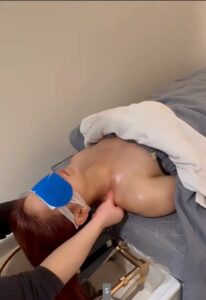
The Tokio Inkarami treatment is usually applied in multiple steps, each designed to layer moisture and protein into the hair. The process takes about 45 minutes to an hour and includes a relaxing scalp massage. The results are immediate — hair feels silky, looks glossy, and is noticeably more elastic.
Olaplex Experience
Olaplex treatments are quicker and can be added to your colouring service or done as a standalone treatment. The in-salon version typically involves two steps: one applied during the chemical process and another after rinsing. For ongoing maintenance, many clients use Olaplex No.3 at home once a week.
Longevity and Maintenance
Both treatments offer long-lasting results, but maintenance is key.
- Tokio Inkarami results can last up to 6–8 weeks, especially if you use sulphate-free shampoos and avoid excessive heat styling.
- Olaplex benefits are cumulative, meaning the more you use it, the stronger your hair becomes. Regular use of the at-home products can extend the effects of the in-salon treatment.
When it comes to the Tokio Inkarami vs Olaplex debate, there’s no one-size-fits-all answer. Each treatment has its strengths, and the best choice depends on your hair’s unique needs.
If you’re looking for a luxurious, nourishing treatment that restores shine and softness, Tokio Inkarami is a fantastic option. If your hair has been through the wringer with bleach or colour, Olaplex is your best bet for internal repair.
And if you want the ultimate transformation? Combine both treatments strategically for a complete hair revival.
For expert advice and professional application, visit a trusted JB hair salon near you. Their stylists can assess your hair’s condition and recommend the perfect treatment plan tailored just for you.