Asian hair is often admired for its natural shine, strength and smooth appearance, but anyone who has tried to manage it in a humid climate knows it comes with its own challenges. It can be thick yet prone to flat roots, straight yet frizzy at the ends, oily at the scalp but dry through the mid-lengths, or beautifully dense but difficult to style after colouring, bleaching or heat exposure.
In 2026, the best hair treatments are no longer about simply making hair look smoother for a few days. The focus has shifted towards scalp-first care, bond repair, personalised treatment plans, cleaner formulas and long-term hair wellness. For Asian hair types, this is especially important because the right treatment should support the hair’s natural structure rather than fight against it.
If you are searching for a hair salon jb that understands Asian hair, it helps to know which treatments are genuinely worth considering and what each one is designed to do.
Why Asian Hair Needs a Different Approach
Asian hair strands are commonly rounder and thicker in diameter compared with many other hair types. This gives the hair its naturally strong feel, but it can also make it resistant to colour, perming and smoothing services. At the same time, the scalp may produce oil quickly, while the ends become dry from sun exposure, air-conditioning, heat styling or chemical services.
This is why a one-size-fits-all treatment rarely works. The best approach looks at scalp condition, hair thickness, porosity, chemical history and lifestyle. Someone with virgin, straight hair may need scalp balancing and shine enhancement, while someone with bleached balayage may need bond repair before anything else.
1. Scalp Detox and Scalp Balancing Treatments
Scalp care is one of the biggest hair trends of 2026, and for good reason. Healthy-looking hair starts at the root. In humid places such as Johor Bahru, sweat, sebum, styling products and pollution can build up quickly on the scalp. This may leave hair feeling limp, greasy or itchy even after washing.
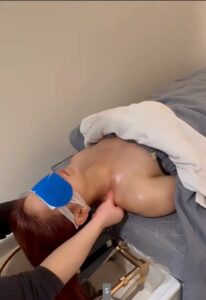
A professional scalp detox helps remove buildup without stripping the hair. Some salons also offer scalp analysis, gentle exfoliation, cooling serums and massage-based treatments to rebalance oil levels. This is ideal for people with oily roots, dandruff concerns, flat hair or scalp discomfort.
2. Bond Repair Treatments for Coloured or Bleached Hair
Bond repair remains a major treatment category in 2026 because more clients want dimensional colour, soft highlights and brighter tones without sacrificing hair quality. Asian hair often needs stronger lifting during bleaching, which means the internal bonds of the hair can become weakened if the process is not handled carefully.
A bond repair treatment works inside the hair fibre to strengthen areas damaged by bleaching, colouring, straightening or heat styling. It is especially useful if your hair feels stretchy when wet, tangles easily, snaps during brushing or looks dull after colour services.
For best results, bond repair should not be treated as a one-off miracle. It works better as part of a routine, usually combined with a nourishing mask and gentler home care.
3. Keratin Treatments for Frizz and Humidity
Keratin treatments are still popular among Asian clients who struggle with frizz, puffiness and long styling time. Rather than permanently changing the hair structure, a keratin treatment smooths the cuticle and creates a sleeker finish. This can make hair easier to blow-dry and more resistant to humidity.
This option suits thick, coarse, wavy or frizz-prone hair. However, it may not be the best first step for severely damaged or over-bleached hair. In that case, a stylist may recommend repair treatments first, then smoothing later once the hair is stronger.
4. Hair Botox for Dry, Dull or Tired Hair
Hair Botox has become a favourite because it gives softness and shine without making the hair look overly flat. Despite the name, it does not involve injections. It is usually a deep conditioning treatment made with ingredients such as amino acids, proteins, collagen, vitamins and oils.
For Asian hair that has become dry from colouring, swimming, heat tools or frequent styling, Hair Botox can help restore a smoother, healthier-looking surface while keeping natural movement. It is also a good option for clients who want shine and manageability but do not necessarily want pin-straight hair.
5. Nanoplastia for Long-Lasting Smoothness
Nanoplastia is often described as a newer-generation smoothing treatment. It is known for creating a glossy, polished finish and can be suitable for thick, unruly or hard-to-manage hair. Many formulas use amino acids and conditioning ingredients to help smooth the hair while improving manageability.
This treatment is worth considering if your goal is a straighter look with less daily effort. However, as with any smoothing service, consultation matters. Your stylist should check hair strength, previous chemical services and the condition of the ends before recommending it.
6. Gloss and Shine Treatments for Natural Hair
Not every client needs an intensive repair or smoothing service. If your hair is healthy but looks a little dull, a gloss treatment can refresh shine, enhance colour tone and make the surface appear more refined. This is perfect for dark brown, black or softly coloured Asian hair, where shine makes a big visual difference.
In 2026, the “glass hair” look is still popular, but the modern version is softer and more wearable. The goal is healthy shine, not hair that looks stiff or heavily coated.
7. Hydration Masks for Dry Ends
Dry ends are extremely common, especially for long Asian hair. The scalp may feel oily by the next day, but the lower lengths can still need moisture. A hydration mask helps restore softness and reduce roughness without necessarily weighing the hair down.
Look for salon masks that balance moisture with lightweight conditioning. Heavy products may make fine Asian hair collapse at the roots, so application should focus on the mid-lengths and ends.
Choosing the Right Treatment for Your Hair
The best treatment depends on what your hair is telling you. If your scalp feels congested or greasy, start with scalp care. If your hair breaks easily, choose bond repair. If humidity is your biggest problem, keratin or Nanoplastia may help. If your hair looks tired but still has decent strength, Hair Botox or a gloss treatment may be enough.
A good consultation should never feel rushed. Your stylist should ask about your colour history, daily routine, styling habits and maintenance preferences. This matters because beautiful hair is not just about the salon result on day one; it is about how your hair behaves weeks later.
How to Make Your Treatment Last Longer
Aftercare is just as important as the treatment itself. Use a gentle, sulphate-free shampoo where suitable, avoid washing too frequently, apply a weekly mask, reduce unnecessary heat styling and protect your hair from chlorine, UV exposure and harsh brushing. If you colour your hair, schedule treatments around colour appointments so the results support each other rather than compete.
For those visiting a hair salon jb, ask for product recommendations based on your actual hair condition, not just what is trending online. The right home routine can make a salon treatment last noticeably longer.
Final Thoughts
Asian hair is beautifully versatile, but it needs thoughtful care. The best treatment is not always the strongest or the most expensive one. It is the one that suits your scalp, hair texture, damage level and lifestyle.
From scalp detox and bond repair to Keratin, Hair Botox, Nanoplastia and gloss treatments, 2026 hair care is about healthier, more personalised results. When the treatment is chosen properly, your hair should not only look better after leaving the salon, but also feel easier to manage in real life.