
Hair Fall, Dandruff & Oily Scalp: Causes and Salon Solutions
Few things are more frustrating than spotting flakes on your shoulders while a clump of hair sits in the shower drain. Add an oily scalp that feels greasy by lunchtime, and it is easy to feel stuck in a cycle. These issues often show up together, particularly in a humid place like Johor Bahru. The encouraging part is that, once you understand what is going on, there is plenty you can do. This guide explains the common causes and how a hair fall dandruff treatment in Johor Bahru clients choose can help.
First, Is It Dandruff or a Dry Scalp?
They look alike but need different care. Dandruff flakes tend to be larger, slightly yellowish and can feel greasy, often alongside an oily scalp. A dry scalp usually produces smaller, white flakes and feels tight or itchy. Treating one as the other can make things worse, so a proper look at your scalp is a good starting point.
What Causes Dandruff and an Oily Scalp
- Excess oil: Some scalps naturally produce more oil, and heat and humidity make this more noticeable.
- Yeast on the scalp: A yeast that lives on most scalps can multiply when oil is plentiful, leading to flaking and irritation.
- Infrequent washing: Oil, sweat and dead skin cells accumulate and clog the scalp.
- Product build-up: Heavy conditioners, styling products and dry shampoo can sit at the roots.
- Lifestyle factors: Stress, poor sleep, hormones and diet can all influence how your scalp behaves.
- Very hot showers: Hot water strips the scalp, which may trigger it to produce even more oil.
How the Scalp Relates to Hair Fall
Losing roughly 50 to 100 strands a day is normal. When you notice much more than that, or visible thinning, it is worth paying attention. A scalp that is inflamed, itchy or clogged is not the best environment for healthy growth. Constant scratching can also irritate follicles and weaken hair at the root. Looking after your scalp will not fix every cause of shedding, but it removes one important obstacle.
Hair fall can also come from stress, illness, diet, hormones or medication, so persistent shedding is worth discussing with a doctor.
Salon Solutions That Can Help
A good salon does not just apply a product and send you home. It starts by understanding your scalp.
- Scalp analysis: Your stylist looks closely at oil levels, flaking and sensitivity so the treatment suits you.
- Deep cleansing: Removes build-up, excess oil and dead skin that shampooing alone can leave behind.
- Gentle exfoliation: Loosens flakes without harsh scrubbing.
- Balancing treatments: Aim to calm the scalp and regulate oil without stripping it.
- Aftercare plan: Your stylist can suggest how often to wash and which gentle products suit your scalp type.
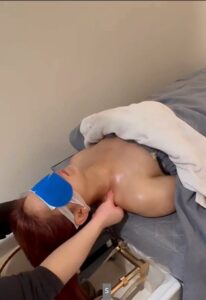
- Scalp massage: Feels wonderful, relieves tension and helps products absorb better.
Results depend on your scalp and how consistently you follow up. Most people see the best outcomes with a short series of treatments combined with a sensible home routine, rather than one dramatic visit.
Simple Habits to Try at Home
- Wash on a schedule: Oily scalps often do better with regular washing, perhaps every day or every other day.
- Rinse thoroughly: Leftover shampoo or conditioner can cause its own irritation.
- Use lukewarm water: It cleanses without over-stimulating oil production.
- Condition the lengths only: Keep heavy products away from the roots.
- Hands off: Scratching damages the skin and can make flaking worse.
- Wash pillowcases, hats and brushes: They carry oil and bacteria back to your hair.
- Be patient: Scalps rarely change overnight, so give any new routine at least three to four weeks before judging it.
Does What You Eat and How You Live Matter?
To a degree, yes. Your scalp is skin, and skin responds to how you treat the rest of your body. Balanced meals with enough protein, plenty of water, regular sleep and some form of stress relief all support a calmer scalp. You do not need a perfect diet, but crash dieting and constant sleepless nights tend to show up in your hair sooner or later.
Common Mistakes to Avoid
- Over-washing in a panic: Scrubbing daily with harsh shampoo can leave the scalp dry and then oilier.
- Skipping conditioner altogether: The lengths still need moisture, even when the roots are oily.
- Piling on home remedies: Lemon juice, undiluted oils and other kitchen experiments can irritate sensitive skin.
- Giving up too soon: Scalp care takes time, and a few weeks of consistency is a fair test.
Signs You Should See a Doctor
Salon care is wonderful for everyday scalp concerns, but some symptoms need medical attention. Please speak to a doctor if you notice thick or crusted patches, painful sores, significant redness, sudden bald spots or flakes that do not improve after several weeks of consistent care. Conditions such as seborrhoeic dermatitis or psoriasis sometimes look like ordinary dandruff and need proper treatment.
What to Look for in a Salon
- A real consultation: Avoid anyone who recommends a treatment without looking at your scalp.
- Honest expectations: A trustworthy stylist will not promise overnight miracles.
- Clear aftercare advice: You should leave knowing exactly what to do at home.
Final Thoughts
A healthy scalp is the foundation of good-looking hair. Flakes, oil and shedding are common, and they are rarely a sign that you have done something wrong. With the right habits and professional support, most people can bring their scalp back to a comfortable place. If you are thinking about a hair fall dandruff in treatment JB salons offer, book a consultation, ask plenty of questions and give your scalp the time it needs