
A scalp detox used to sound like an occasional luxury, something you booked only when you wanted a little extra pampering. In 2026, that view has changed dramatically. Scalp care is now one of the biggest beauty shifts of the year, with more people realising that strong, glossy, manageable hair begins with what is happening at the root. If your hair has been feeling flat, greasy, itchy or oddly lifeless lately, the problem may not be your shampoo at all. It may be your scalp asking for a proper reset.
That is why scalp detox treatments have moved from niche add-on to serious salon service. Today’s clients are more ingredient-aware, more wellness-minded and far less interested in quick fixes that leave the underlying issue untouched. A good detox does not simply make your hair feel cleaner for one afternoon. It removes build-up, rebalances the scalp environment and creates better conditions for healthier hair growth over time. At a trusted hair salon in JB , this kind of treatment is increasingly seen as part of long-term haircare rather than a one-off indulgence.
Signs your scalp may be asking for help
One of the clearest signs is hair that feels greasy again far too soon after washing. If your roots look heavy by midday, even when your lengths are still dry, your scalp may be overloaded with oil, styling residue and microscopic pollutants. This can happen easily if you rely on dry shampoo, use several styling products or live in a humid environment where sweat and residue build up faster than expected. You may also notice that your hair has lost bounce. Styles collapse quickly, volume disappears and the top of the hair seems to sit closer to the scalp than it used to.
Persistent itchiness, tenderness or a tight feeling can be another sign. People often assume these issues mean a dry scalp, but that is not always the case. In many situations, the scalp is actually struggling with imbalance. Dead skin cells, excess sebum and leftover product can sit on the surface and around the follicles, causing irritation even when the scalp itself is producing enough oil. Flakes can show up too, and not all flakes are the same. Some come from dryness, while others appear when oil and buildup are left sitting too long. Either way, discomfort is usually your scalp’s way of telling you that your routine is no longer keeping things in balance.
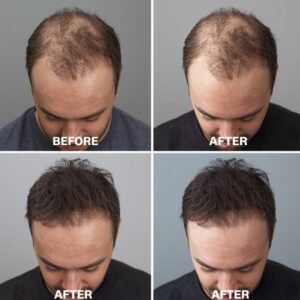
Another clue is when your hair seems dull, harder to style or more prone to shedding than usual. A scalp detox is not a miracle cure for every kind of hair loss, but it can support a healthier scalp environment by clearing away the congestion that makes follicles work less efficiently. Think of it as improving the condition of the soil before expecting better growth from the garden. When the scalp is calmer, cleaner and better circulated, the hair often responds by feeling lighter, fresher and easier to manage.
So, what actually happens during a scalp detox?
A professional scalp detox usually begins with consultation rather than product. This matters more than people think. A good stylist or scalp specialist will ask about your routine, your washing habits, your product use and any issues you have noticed, such as itchiness, oiliness or sensitivity. Some salons also assess the scalp more closely before choosing the right treatment path. That is important because a scalp that is oily needs different support from one that is dehydrated, sensitive or dealing with frequent product build-up.
From there, the detox stage focuses on clearing the scalp properly without stripping it. In 2026, the best treatments are no longer based on harsh cleansing alone. The newer approach is more skin-like and barrier-conscious, which means removing excess oil, residue and dead skin while still respecting the scalp’s natural balance. This may involve a deep cleansing wash, gentle exfoliation and targeted scalp products designed to purify without triggering rebound oiliness. That last point matters, because over-cleansing can actually make the scalp produce more oil in response.
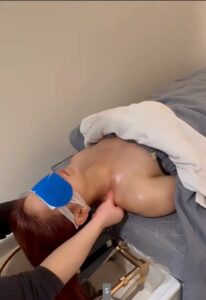
Many professional treatments also include massage, water therapy or steam-based steps that do more than simply feel relaxing. These techniques help loosen build-up, encourage circulation and make it easier for beneficial ingredients to absorb properly. Luxe Studio’s scalp-focused services, for example, centre on deep cleansing, improved circulation and a more restorative experience overall, while its advanced Exosome Hair & Scalp Care treatment is designed around scalp detoxification, follicle support and longer-term scalp renewal. That reflects where the industry is heading: treatments that feel luxurious, but are grounded in scalp function rather than surface shine alone.
Who tends to benefit most?
Scalp detox treatments can help a wide range of people, but they are especially useful for anyone whose scalp feels persistently oily, congested or uncomfortable. They also suit those who use dry shampoo often, style their hair daily, exercise regularly or spend a lot of time in heat and humidity. If your scalp feels heavy even after a wash, or your roots seem to become flat and greasy quicker than they used to, a detox may be worth considering. Clients with mild flakes or stress-related tension often enjoy them too, especially when massage is part of the treatment.
It is worth being realistic, though. A detox is not the answer to every scalp problem. If you have a persistent medical condition, sudden hair loss or severe irritation, you may need more specialist support. What a detox does very well is reset the scalp environment, improve comfort and help your everyday haircare work better. Many people notice that their hair feels cleaner for longer, styles hold better and the scalp feels lighter almost immediately afterwards.
How often should you get one?
There is no single answer, because frequency depends on your scalp type, routine and lifestyle. Someone who uses minimal product and washes regularly may only need an occasional reset. Someone dealing with constant build-up, oiliness or frequent styling may benefit from more regular sessions. The best approach is usually a personalised one: treat the scalp when it starts showing signs of imbalance rather than waiting until it becomes uncomfortable. Between appointments, gentler maintenance matters. That might mean washing brushes more often, not overloading the roots with styling products and choosing scalp-friendly formulas that cleanse effectively without being aggressive.
If there is one beauty lesson 2026 is making clear, it is this: healthy hair starts before the lengths and ends. A scalp detox is not about chasing a trend for the sake of it. It is about giving your scalp the same thoughtful care that people already give their skin. When done properly, it can ease discomfort, refresh the roots and make your hair feel far more cooperative day to day. If your scalp has been sending subtle warning signs for a while, booking a consultation at a reliable hair salon in JB could be the simplest way to understand what it needs and bring your routine back into balance.