
Wearing a hijab is a daily choice many women make with pride, but it does come with a few hair challenges. Heat, sweat, friction and tight pins can all leave your scalp unhappy, and that is often when you start noticing more strands on the pillow or in the shower drain. If this sounds familiar, you are far from alone. Let us look at what is really happening under the scarf, and which hijab hair fall treatment options are worth considering.
What Is Really Happening Under the Scarf
Covering your hair is not harmful in itself. The trouble comes from the conditions around it: trapped heat, sweat, product build-up and tension. In a warm, humid city like Johor Bahru, the scalp can feel damp within minutes of stepping outside. Sweat mixes with natural oil and dust, and if it is not washed away properly, it can lead to itchiness, flakes and an unpleasant smell. An irritated scalp is a weaker foundation for healthy growth.
Common Reasons Hair Thins Under a Hijab
- Tight styling: Snug caps, pins and ponytails under the scarf tug at the roots day after day. Over time, this can lead to thinning around the hairline and temples.
- Friction: Rough fabric rubbing against your hair can cause breakage, especially along the lengths.
- Damp hair: Wrapping hair that is not fully dry traps moisture, which may encourage irritation.
- Skipped washes: Going too long between shampoos lets oil and sweat settle on the scalp.
- Everything else: Stress, diet, hormones and low iron or vitamin levels can also play a part.
If you notice sudden or patchy hair loss, please see a doctor first to rule out medical causes. Salon care works best alongside proper advice, not instead of it.
Everyday Habits That Make a Real Difference
Good news: most of the helpful changes are small and cost very little.
- Choose breathable fabrics: Cotton, chiffon and light jersey let your scalp breathe better than thick or synthetic materials.
- Loosen up: Opt for a soft low bun or a loose ponytail, and swap tight elastic bands for gentle scrunchies. Change your parting now and then, too.
- Dry thoroughly: Let your hair dry completely before covering it. A cool setting on the hairdryer is perfectly fine.
- Wash regularly: Many people do well with a shampoo two to three times a week, and more often if they sweat a lot. Focus on cleansing the scalp, not just the lengths.
- Mind the heat: If you feel yourself overheating, find a cool, shaded spot and loosen the scarf for a few minutes. Keeping a spare underscarf in your bag helps on long days.
- Keep inner caps clean: Underscarves and caps collect sweat and oil, so wash them often.
Salon Treatments Worth Considering
Home care takes you a long way, but professional help can reset a stressed scalp.
- Scalp deep cleansing: Gently lifts away sweat, oil and product residue that regular shampooing can miss.
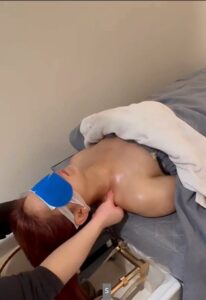
- Scalp massage and nourishing ampoules: Helps the scalp feel calm and comfortable, and many people find it genuinely relaxing after a long week.
- Strengthening treatments: Support fragile strands so they are less likely to snap when you wrap and style.
- Moisture treatments: Handy for dry lengths that rub against fabric all day.
Every scalp is different, so the best approach starts with a proper look at your hair and your routine. A good stylist will ask about how you wear your scarf, how often you wash and what bothers you most before suggesting anything. Results vary from person to person, and consistency matters more than any single visit.
A Simple Weekly Routine to Try
You do not need a twelve-step regime. Something realistic is far easier to stick to.
- Twice or three times a week: Cleanse your scalp with a gentle shampoo, massaging with your fingertips rather than your nails.
- Once a week: Use a nourishing mask on the lengths only, keeping heavy products away from the roots.
- Every day: Let your scalp air out whenever you are at home. Even an hour without a scarf helps.
- Every night: Tie your hair loosely or use a satin pillowcase so it is not rubbing on rough cotton while you sleep.
Choosing Products Wisely
Walk down any pharmacy aisle and the choices feel endless. Look for mild, balanced formulas that clean without leaving your scalp squeaky or tight. Very heavy oils applied to the roots can trap more sweat, so keep them for the ends. If a product makes your scalp itchy, hot or flaky, stop using it. Introducing one new product at a time makes it much easier to see what your scalp likes and what it does not.
Questions to Ask Before You Book
- Privacy: Many hijab wearers prefer a private setting. Ask the salon what arrangements are available before you visit.
- Scalp assessment: Check whether the stylist will examine your scalp first.
- Aftercare: Ask which products and routines will keep your results going at home.
When to Speak to a Doctor
Please book a medical appointment if you notice red, painful or very flaky patches, bald spots, or hair loss that continues for several weeks. Sometimes a scalp condition or an underlying health issue needs treatment that a salon cannot provide.
Final Thoughts
Wearing a hijab and having strong, healthy hair are absolutely compatible. With gentler styling, regular cleansing and the right professional support, your scalp can stay fresh and comfortable. If you are exploring a hijab hair fall treatment, start by chatting with a stylist you trust, be honest about your routine and take it one step at a time. Small, steady changes add up faster than you might expect, and your scalp will thank you for the extra care.