A head spa is often described as a facial for your scalp, and that is exactly why it has become one of the biggest salon trends of 2026. Instead of focusing only on the hair lengths, it starts at the root: cleansing, exfoliating, hydrating and massaging the scalp so the hair has a better foundation to grow from.
The best head spa treatment benefits are practical as well as relaxing. A professional session can remove product build-up, excess oil and dead skin cells, while also helping the scalp feel calmer and fresher. Many treatments include steam, targeted serums and massage, which make the appointment feel like a wellness ritual rather than just another wash.
A good scalp detox is especially useful if you use dry shampoo, styling spray, oils or heavy conditioners. These products can sit on the scalp over time, leaving roots flat and strands dull. By clearing away build-up, your hair may feel lighter, cleaner and easier to style.
While no salon service can promise instant growth, a healthy scalp can support a better environment for stronger-looking hair. That is why a personalised hair growth treatment should begin with proper analysis: is the scalp oily, dry, sensitive or congested? In 2026, clients are choosing smarter, scalp-first care because they want results that feel calm, clean and sustainable, not just glossy for one day.
A head spa experience usually begins with a consultation and scalp check. Your stylist may look for flakes, oiliness, tightness, sensitivity or build-up around the roots. From there, the treatment can be adjusted with cleansing products, exfoliation, steam, massage and targeted ampoules. This makes the service feel personal, which is one reason it fits perfectly with 2026 beauty habits. People want treatments that feel calming, effective and tailored to their real concerns.
The scalp is skin, so it can become congested in the same way the face can. Sweat, sebum, styling products, pollution and hard water may leave the roots feeling heavy even when the hair has just been washed. A professional cleanse can help refresh the area more thoroughly than a quick shampoo at home. It can also make the hair feel bouncier because the roots are no longer weighed down.
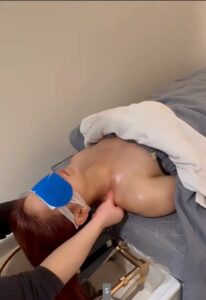
The massage element is also valuable. It encourages relaxation and can help ease tension around the head, neck and shoulders. In a busy lifestyle, this matters. Many clients now treat salon visits as part of self-care rather than only beauty maintenance. A quiet, well-paced head spa can make you feel refreshed while also supporting cleaner, healthier-looking hair.
For best results, consider a head spa every four to six weeks if your scalp becomes oily, itchy or flat quickly. If your scalp is generally balanced, a session every two months may be enough. Pair it with gentle shampoo, light conditioner and less product layering at home. When your scalp feels comfortable, your hair often behaves better too: cleaner roots, softer lengths and a fresher overall finish.
One reason head spa services feel so current is that people are paying more attention to the scalp microbiome, stress, sleep habits and product overload. Even if your hair lengths are treated with the best masks, the roots can still feel uncomfortable if the scalp is congested. A professional session creates a reset point. It does not replace good homecare, but it can make your routine work better because products are applied to a cleaner, more balanced foundation.
For clients with colour-treated or chemically serviced hair, scalp comfort matters even more. Bleaching, toning, rebonding and frequent styling can leave the overall hair routine feeling demanding. A gentle head spa can support the scalp without overloading the hair lengths. Your stylist can choose lighter or richer products depending on whether your roots are oily, dry or sensitive.
Another benefit is that it encourages better awareness. Many people only notice their scalp when something feels wrong, such as itchiness, flakes or excess oil. A regular appointment helps you understand patterns: perhaps your scalp becomes oily after heavy gym days, or your roots feel tight after long hours in air conditioning. Once you know the cause, your salon and homecare plan becomes much more effective.
A head spa is not only for people with problems. It is also a beautiful maintenance service for anyone who wants hair that feels fresher at the roots and softer through the lengths. As more clients move towards wellness-inspired beauty in 2026, scalp care is becoming less of an extra and more of an essential part of a healthy hair routine.
During a well-designed head spa, the experience should feel unhurried. The cleansing stage prepares the scalp, the massage brings comfort, and steam or warm towels may help products spread more evenly. Some clients notice that their roots feel lighter immediately after the service, while others simply enjoy how calm and refreshed they feel. The visible result is important, but the experience itself is part of why this service has become so popular.
Scalp care is especially useful in a climate where heat, humidity and frequent washing can upset the balance of the scalp. Some people wash their hair often because their roots feel oily, yet the lengths become dry as a result. Others stretch out wash days with styling products, which can create build-up. A head spa helps your stylist understand what is really happening so your routine can be adjusted rather than guessed.
It is also a good introduction to scalp-focused beauty for clients who have never thought beyond shampoo and conditioner. The scalp has pores, oil glands and sensitivity, so it deserves proper attention. When it is ignored, the hair may look flat, dull or difficult to style even when the ends have been treated. When it is cared for, the whole hairstyle can look cleaner, fresher and more balanced.
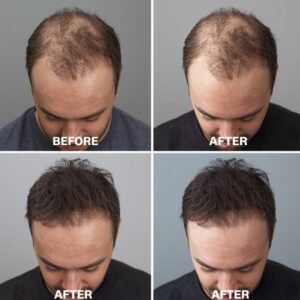
For people concerned about thinning or shedding, a head spa can be part of a wider care plan, but it should not be seen as a miracle cure. Hair concerns can be linked to stress, nutrition, hormones, medication, scalp condition and styling habits. A responsible salon approach is to support the scalp, reduce unnecessary stress on the hair and recommend professional or medical advice where needed. This keeps expectations realistic and protects the client’s trust.
At home, the habits that support a head spa are simple. Avoid scratching the scalp aggressively, rinse shampoo thoroughly, keep heavy oils away from the roots unless advised, and clean styling tools regularly. If you use dry shampoo, treat it as a short-term helper rather than a replacement for cleansing. These small steps help your professional treatment last longer and keep the scalp feeling more comfortable.
The beauty of a head spa is that it connects visible hair results with a sense of wellbeing. In 2026, clients are looking for services that feel thoughtful, not rushed, and that is why scalp treatments fit so well into a modern salon menu. They offer a pause, a reset and a practical way to care for the roots of healthy-looking hair.